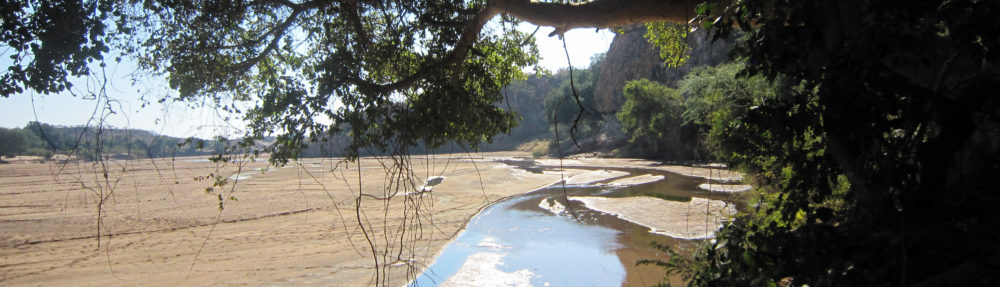
C. Louis Leipoldt was a famous Afrikaner poet from the last century but, before that, he had trained as a medical doctor at Guy’s Hospital in London. In the 1930s he was sent as Medical Inspector of Schools to the Bushveld, an area that lies South of the Limpopo River. It is a dry, magnificent but isolated region, dominated by dense thorn trees with everything from tiny, colourful birds to large, game animals. Leipoldt describes the area as a primitive backveld. In his time there were some schools, but many were half-derelict, usually staffed by one teacher, separate schools for black and white children. One of these teachers told Leipoldt: “I try in my humble way … to teach my children something about hygiene, Doctor. But it is hard. You will find them all miserably underfed. They are unable to concentrate; always listless and tired.” Leipoldt, 1937: p 26)
Commonly these children walked long distances through the bush, barefoot , to school. They had defective teeth, skin sores and many suffered the enlarged spleens from chronic malarial infection, leaving them severely physically and mentally challenged. Leipoldt did his best to bring about change but he saw no future for the white children and the black children were even worse off. If they escaped malaria, there was also bilharzia, snake bite, mauling by lions, crocodile attacks and any number of other dangers. A doctor was almost always too far away to be helpful.
Decades later a group of us who had grown up in the Limpopo area met around a barbecue to reminisce about our childhood. Many of our peers were dead but we had survived. How did that happen? Malaria is an insidious disease earlier seen as something like an inescapable fact of life. It did not attract the attention of devastating diseases, like influenza in the 1918 epidemic. Many of our parents and family had suffered from malaria, some had died of its complications. Households became used to nursing a family member recovering from malarial fever. Eventually preventive 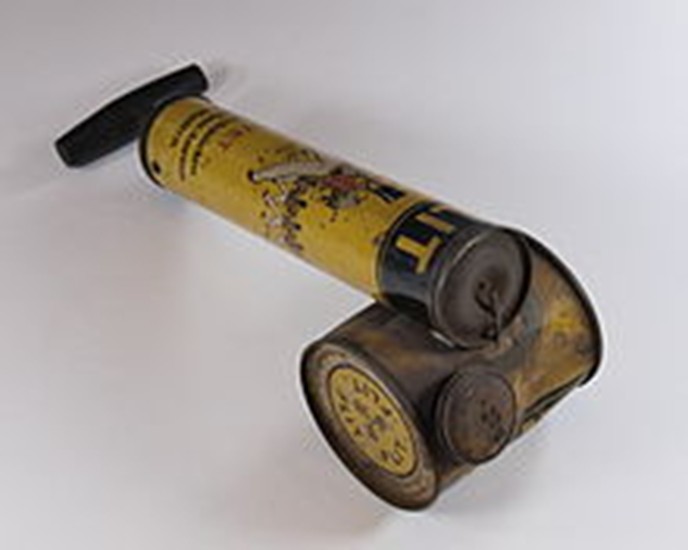 information did filter through. There was quinine to treat those infected. We put screens on our windows and mosquito nets around our beds. Stagnant water was drained. We had Flit spray pumps that killed mosquitos and flies in the air and settled on surfaces to continue its work. (Only later was it known that the insecticide contained DDT).
The effect of all these measures was that we grew up in relative safety but this happened for us because our parents were well-informed enough to know about, and take these actions. They could afford the quinine and Flit pumps. In short we were privileged. But the bottom line was that we survived and eventually had productive careers because we escaped from the Bushveld. In one way or another, we left. We got a broad, good education and went on to bigger things. Of course, above all, we were white and those escape routes were open only to us.
One of group, the son of wealthy but uneducated farmers, went to Pretoria by train on his own at the age of 14. He persuaded the headmaster of the distinguished Pretoria Boys’ High School to accept him as a pupil and boarder. In the case of my family, my mother had tried her best to generate a social circle from the people living on adjoining farms but it was difficult. She was an Afrikaner but she was an outsider, she had a wider perspective. When I reached school age, she taught me herself but when my brother also reached school age the task was more demanding. And there was little sister still to come. In time she managed to buy a house and move to the nearest town. Here we were enrolled in school. When my little sister was old enough, my mother went back to teaching.
My father was, I believe, quite devastated by these changes but he knew they were necessary. He was ambitious for us but he knew we would have to make our way in the world largely without him giving us much practical and financial help. He was 57 years old when my sister was born and when she went to school he had reached what many would consider retirement age. But school was my dream come true. Education! I could not believe my luck. Here were numbers of children all interested in doing things. They could all read. One problem was that I was required to speak English but I was eager to learn. I felt that I had prematurely landed in heaven.